Introduction
Painkiller covers the opioid crisis in Canada. “It features interviews with families who have lost loved ones, as well as healthcare workers and policy experts who question a health system that favors corporate profits over patients.” For example, they talk about the overprescribing of prescription medications, and how little to no punishments have been handed out. This documentary also advocates for harm reduction as a crucial way to combat this crisis.
Quotes from Painkiller: Inside the Opioid Crisis
“We often think that people who use are selfish, they only think about themselves, and they don’t care about the people who love them – but they do. They deeply, deeply care and they feel guilty. Danny carried an enormous amount of guilt because he knew he hurt the people he loved.”
“It’s really hard to convince people out there in the sort of regular world that it’s gonna touch their lives. You know they have this, maybe this impression that’s it’s people that are hardcore drug users on the street. That’s not the case.”
“You have the historical war on drugs and the moralistic values and politicians very hesitant to invest in the things that need to be done. The system needs a major overhaul. The system, it’s not even broken, it’s so dysfunctional and so counter-productive that we have the opposite results to what we actually want.”
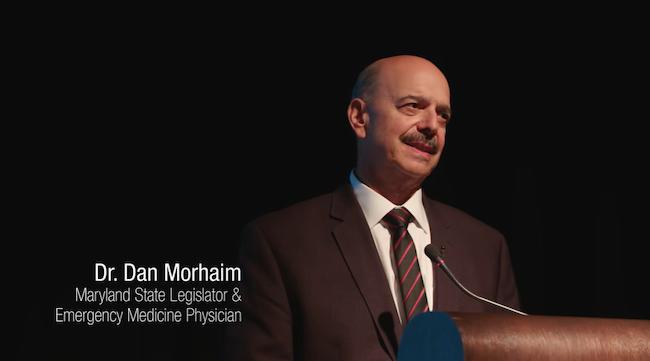
“Moms Stop The Harm: it’s a network, it’s an advocacy group of families that have been affected by the opioid crisis. What our aim is to change drug policy, change it away from a focus on criminal justice and blame the person to actually seeing it as what it is, it’s a health issue.”
“You never lose votes by being tough on crime. You might lose votes if you decide to be compassionate to those that have experienced the greatest traumas in our society.”
“We are dealing with a crisis here, people are dying every day. This shouldn’t be about ideology, it should be about what the data shows us, and it tell us if we were to right now decriminalize possession of all illegal drugs, we could reduce the risk that people might die from overdoses.”
“It’s not really a drug problem when you think about it. Really it’s a problem with people learning to manage to how to cope and manage and deal with boredom and curiosity, but also deal with trauma and stress and depression and anxiety and isolation.”
“For every dollar invested in substance abuse treatment, you save 7 to 10 dollars in societal expenses, and that’s on the expenses that can be measured. It doesn’t measure the expenses, the suffering that you can’t measure.”
Continue Learning
Please review the additional resources below to find more information on the some of the topics discussed in this resource. If you have any suggestions, comments, or concerns please do not hestitate to contact me!