
Introduction
Crisis Next Door reveals the devastating toll fentanyl has taken on the lives of thousands of North Carolinians, examining both the state’s response to this growing epidemic and the urgent actions still needed to save lives.
The documentary highlights the dangers of illicitly manufactured fentanyl, which is far more potent than pharmaceutical fentanyl and is often mixed into other drugs, putting unsuspecting users at extreme risk. Fentanyl is 50 times stronger than heroin, and even a tiny dose can be lethal. Families, communities, and frontline workers across the state continue to face the harsh realities of this epidemic.
Crisis Next Door also emphasizes the confusion surrounding fentanyl, which has contributed to a lack of empathy and understanding about those affected by addiction. The documentary calls for urgent education, prevention, and support initiatives to save lives, showing how immediate action is necessary to address this deadly crisis.
By focusing on both the human and systemic impact of fentanyl, Crisis Next Door gives viewers a clear view of North Carolina’s fentanyl epidemic, why it is so deadly, and what must be done to protect communities and prevent further loss.
Quotes from Crisis Next Door
“Fentanyl is an opioid, and what that means is it’s a painkiller. In its pharmaceutical forms, when it’s produced by pharmaceutical companies and approved by the FDA, it’s used for acute and chronic pain. Unfortunately, when we’re talking about fentanyl from a overdose perspective, we’re mostly talking about illicit fentanyl … produced by drug cartels and used for money making purposes, not for healthcare.”
“If you can put in a tiny amount of something and produce a big high, then you can make a lot more money. So obviously, if the dealer has the strongest stuff on the streets, that’s what these drug users are going to look for.”
“A little over 75% of drug overdoses in North Carolina involve fentanyl in some way. Unfortunately, in 2021, we lost the most North Carolinians we’ve ever lost to drug overdoses, and that was 4,041 individuals.”
“I see families that are very intact, and then a kid gets on fentanyl, cocaine, and heroin, and it ruins them, it ruins the family.“
“There was marijuana – people were not addicted and dying over it. Then cocaine came out and people were addicted to it, but they probably weren’t dying of it. Then crack came out, which is a whole lot more addictive, but it wasn’t killing them instantly. Now you have heroin that is laced with fentanyl and opioids. It’s killing people instantly.”
“Originally, we were seeing fentanyl flown in from China – that’s where a lot of the component chemicals are manufactured. But more recently, the fentanyl components are being sent to Mexico where they’re being manufactured there and driven across the border through border checkpoints. And those drugs are coming all across this country, and they’re absolutely devastating people’s lives.”
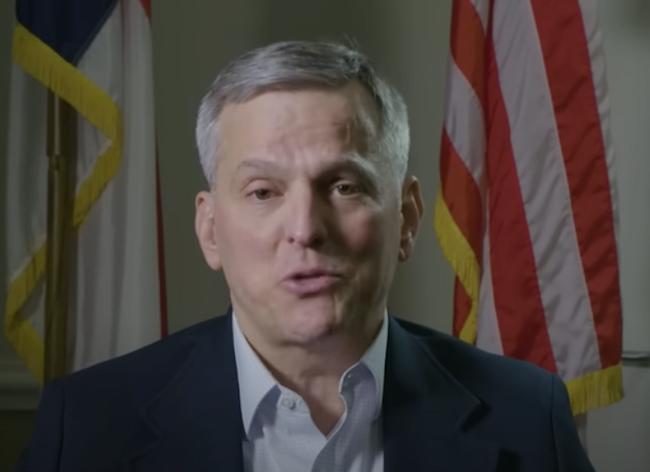
“We have to approach the supply, but we also have to approach the demand – and that’s drug addiction. I’ve been holding the drug companies accountable that created this crisis in the first place.”
JOSH STEIN – ATTORNEY GENERAL
“There were three waves of this opioid epidemic. The first wave from 2000-2010/2012 had to do with prescription pills. The drug companies were aggressively promoting these pills to prescribers, asserting that they were effective at treating pain and they were not addictive – it turns out neither of those things are true. So millions of Americans got hooked on these pills while these companies were making billions and billions of dollars. When the pills became less available, folks started transitioning to using heroin, buying it on the street, because heroin was cheaper than the prescription pills. And now this third wave has to be with fentanyl which is even cheaper than heroin. And that’s what’s killing people because it’s incredibly potent.”
“We are making them [pharmaceutical companies] pay over $50 billion. North Carolina’s share is going to be about $1.4 billion. It has to go to prevention, harm reduction, treatment or recovery services.”
“Harm reduction is a safe space for people to come and get clean sterile supplies, Narcan, fentanyl test strips, basically anything a drug user needs to stay safe.” IN VIDEO: Wilkes Recovery Revolution
Continue Learning
Please review the additional resources below to find more information on the some of the topics discussed in this resource. If you have any suggestions, comments, or concerns please do not hestitate to contact me!