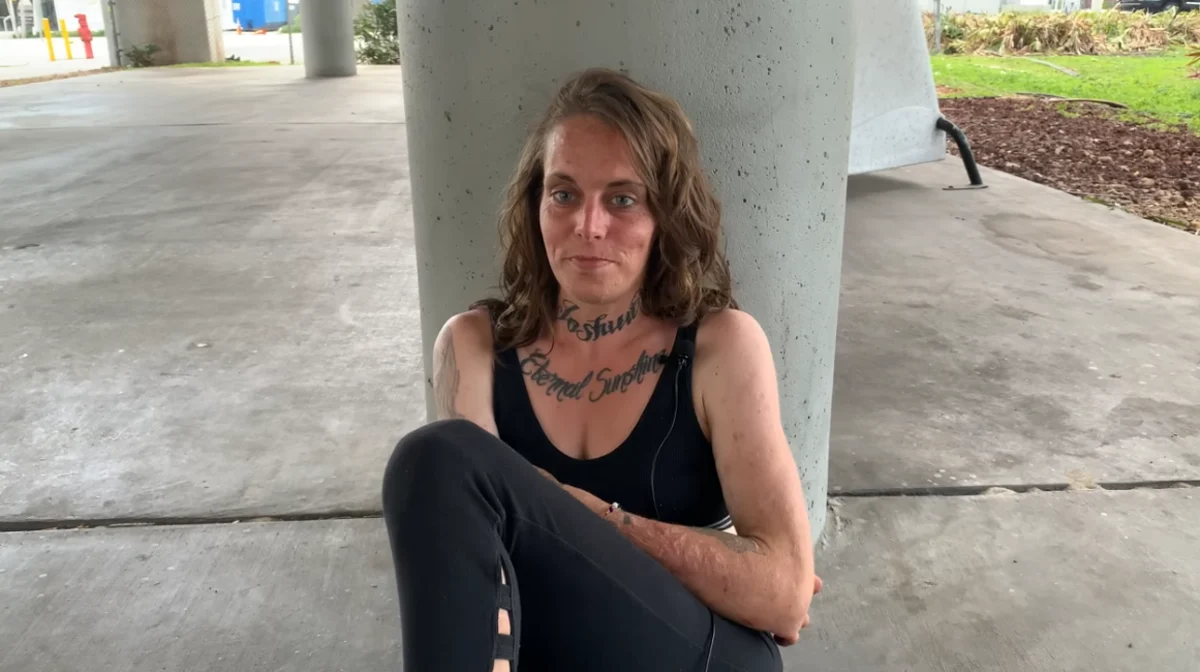
Ariel shares her addiction story, reflecting on the childhood abuse, trauma, homelessness, and instability that shaped her life and substance use. She speaks openly about methamphetamine, heroin, fentanyl, and crack cocaine, as well as the role drugs played in numbing painful experiences from her past. Follow-up interviews and updates over the next several years show Ariel continuing to struggle with addiction despite periods of treatment and attempts at recovery. Her story offers an honest look at the long and complicated nature of addiction, relapse, trauma, and the hope for change.
What happens inside the brain when occasional drug use becomes addiction? Experts use neuroscience, brain imaging, and personal stories to explain how opioids affect dopamine, cravings, withdrawal, decision-making, and the brain’s reward system. The film also explores the roles of genetics, family history, and childhood trauma in addiction risk, while examining approaches to treatment and harm reduction, including methadone, buprenorphine, naloxone, and supervised consumption sites. Alongside the science are stories of recovery that show why addiction is increasingly understood as a treatable medical condition rather than a moral failing.
This webinar explores the relationship between trauma, addiction, and recovery in women through a trauma-informed and gender-responsive lens. Drawing on research and clinical experience, it examines how trauma influences substance use, why women often face unique barriers to treatment, and the importance of addressing both trauma and addiction together. The presentation also introduces principles of trauma-informed care and gender-responsive treatment, emphasizing approaches that promote safety, empowerment, healing, and long-term recovery.
TOPICS: Prevention & Treatment, PTSD, Recovery, Trauma, Trauma-Informed, Women