Robert Munsch reflects on the private struggles that existed alongside his celebrated career as one of Canada's best-known children's authors. In this revealing interview, he discusses childhood depression, bipolar disorder, obsessive-compulsive disorder, alcohol and cocaine addiction, family tragedy, and his experiences with recovery. He also explores the relationship between his mental health, addiction, and writing, sharing how personal experiences and the children he encountered inspired many of his stories and shaped the public storyteller generations of readers came to know.
Berlin's internationally renowned nightlife provides the backdrop for an investigation into recreational drug use, club culture, and the risks facing partygoers. Beginning with the overdose death of a young American woman at Berghain, the film examines MDMA and other drugs commonly associated with the city's nightlife while exploring production, online drug markets, and access to illegal substances. Through clubgoers, medical professionals, researchers, law enforcement, and people working within Berlin's nightlife, it raises questions about drug safety, prevention, and responsibility within the city's influential club scene.
TOPICS: Ecstasy / MDMA, Empathogens, Germany, Nightlife, Stimulants
Young people's changing attitudes toward cannabis are creating new challenges for prevention and public health in Singapore. This investigation examines cannabis use, addiction risk, social media, drug trafficking, and the influence of changing policies in nearby Thailand. Through healthcare professionals, researchers, law enforcement, counsellors, community organizations, and people with lived experience, the episode explores Singapore's strict approach to drugs alongside prevention, recovery, and youth outreach efforts. It also examines concerns surrounding cannabis commercialization and how shifting perceptions of the drug may influence younger generations.
Across Colombia, Belgium, Sweden, the Netherlands, Portugal, and the United States, cocaine and synthetic opioids are reshaping communities in very different ways. This investigation follows coca production, international trafficking, youth recruitment, gang violence, drug markets, fentanyl, and xylazine while examining how organized crime and addiction intersect. Through law enforcement, community organizations, people with lived experience, and public health workers, the episode connects the global cocaine trade with European gang networks and the overdose crisis in North America, as well as prevention, treatment, and harm-reduction efforts.
Across Pakistan, Thailand, Canada, and Australia, methamphetamine production, trafficking, addiction, and recovery take very different forms. This investigation follows police raids, rehabilitation programs, border patrols, drug-destruction operations, clandestine laboratories, and wastewater monitoring while tracing the networks that move synthetic drugs across borders. It also examines the role of Myanmar's expanding meth trade, the challenges facing people seeking treatment, and the impact of high-potency drugs on communities. Through law enforcement, experts, treatment workers, and people affected by addiction, the episode reveals the global reach of synthetic drugs.
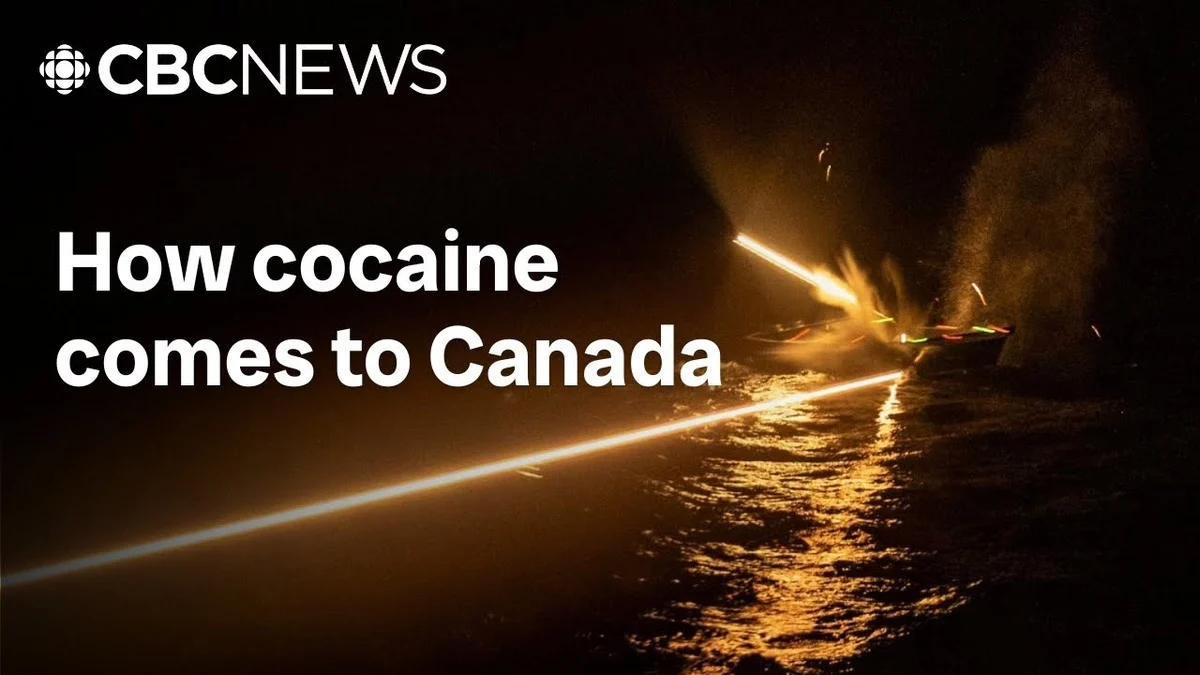
Rising cocaine production and increasingly pure cocaine are affecting communities thousands of kilometres from where the drug originates. This investigation follows the cocaine trade from Colombia to Canada, documenting law enforcement efforts to intercept international shipments before travelling to Sheshatshiu Innu First Nation in Labrador, where residents are confronting addiction and drug-related deaths. Through interviews with police, community members, people in recovery, and treatment workers, the report connects organized crime and international drug trafficking with the public health consequences experienced by one remote First Nations community.
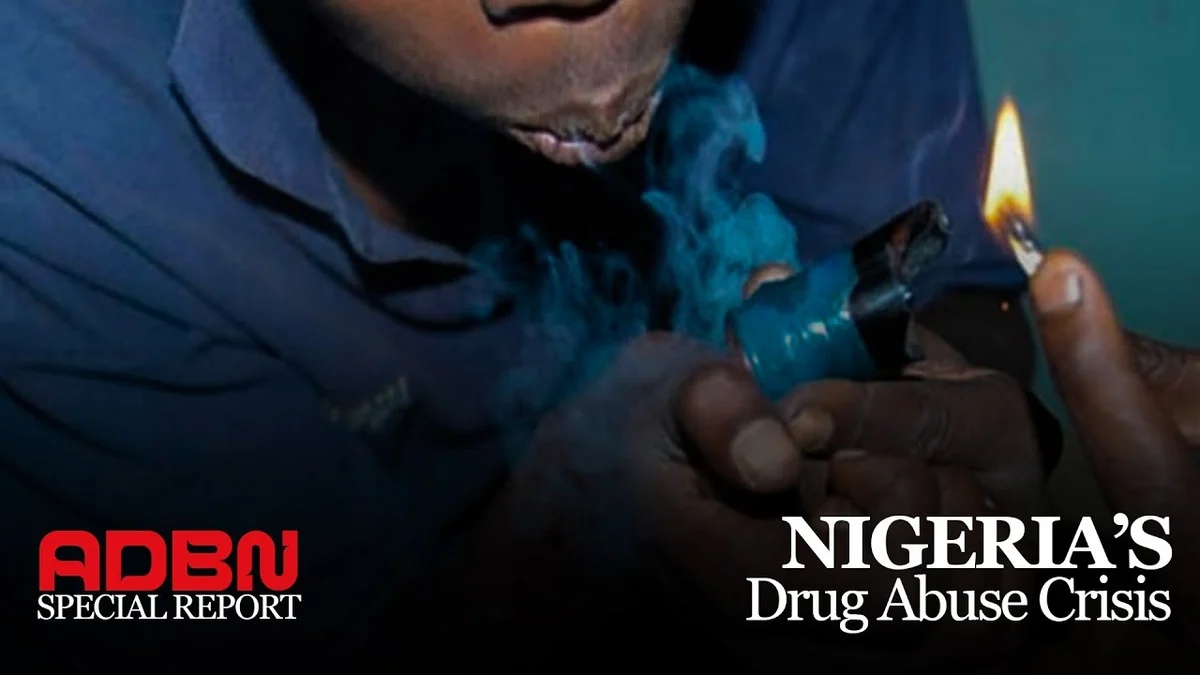
Nigeria faces significant challenges related to substance use, with poverty, unemployment, mental health, and limited access to support contributing to drug-related harm across the country. Through firsthand accounts and perspectives from psychiatrists, sociologists, traditional leaders, public health experts, and officials with the National Drug Law Enforcement Agency, this documentary examines the causes and consequences of drug use in Nigeria. It also explores prevention, treatment, community initiatives, and the need for coordinated efforts to address addiction and support individuals, families, and communities affected by substance use.
TOPICS: Nigeria, Poverty, Prevention & Treatment, Public Health, Socioeconomics
This documentary examines Afghanistan's addiction crisis and the challenges people seeking recovery face inside a former U.S. military base that was converted into a large drug rehabilitation centre in Kabul. Independent reporter Akshay documents severe shortages of medication, staff, and resources while speaking with patients and those working to support them. The film also follows Babrak, a former mujahideen fighter and recovering addict, while exploring how decades of war, poverty, unemployment, and drug availability have shaped substance use and treatment in Afghanistan.
TOPICS: Afghanistan, Heroin, Homelessness, Opioids, Poverty, Prevention & Treatment, Public Health
After years of gambling addiction and repeated relapses, Brian Hatch found recovery and began using his experiences to help others through ALL IN: The Addicted Gambler's Podcast. In this conversation, he reflects on the financial and emotional consequences of gambling, the shame that kept him from returning to Gamblers Anonymous after a relapse, and the compulsive nature of addiction. Brian also discusses the difficulty of walking away from gambling, the role accessibility can play in addiction, and the importance of Gamblers Anonymous and continued recovery while offering hope to others struggling with gambling addiction.
Governments across Canada receive billions of dollars from gambling, creating difficult questions about their responsibility to protect people experiencing gambling addiction. This investigation examines electronic gaming machines, self-exclusion programs, responsible gambling initiatives, and the psychology that keeps players gambling. Through researchers, addiction experts, former gamblers, and industry representatives, it explores how much gambling revenue may come from problem gamblers and whether governments can effectively promote responsible gambling while simultaneously benefiting financially from the losses of vulnerable players.