Dr. Andrew Huberman – What Alcohol Does to Your Body, Brain & Health
Introduction
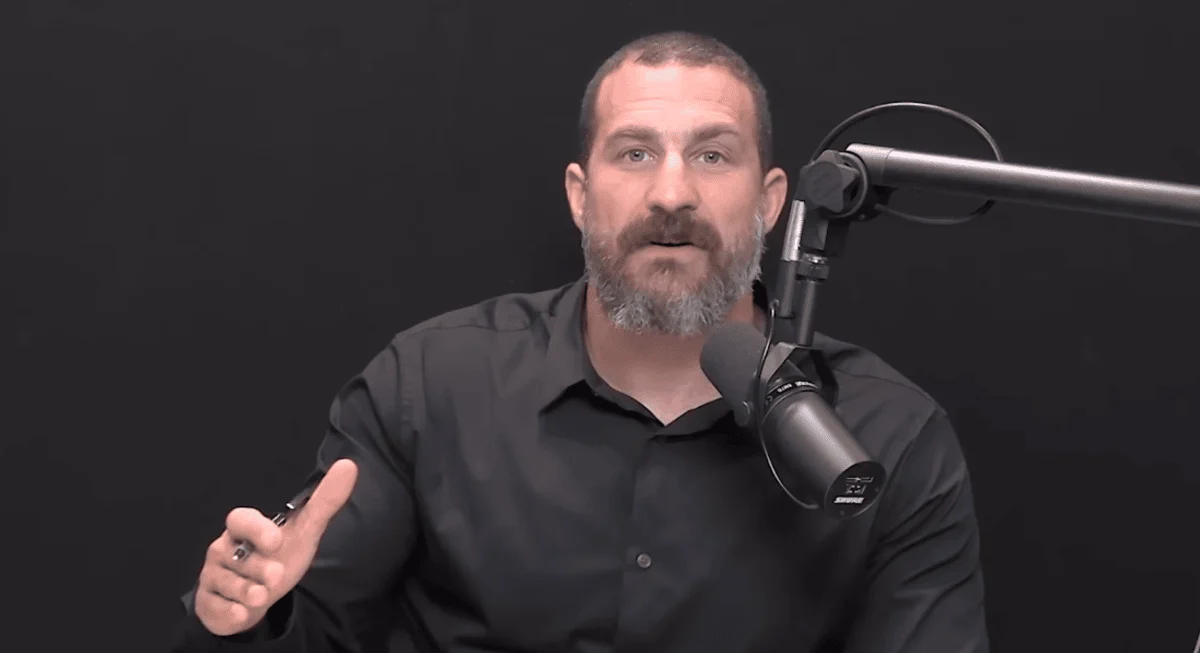
In this insightful podcast, Dr. Andrew Huberman, a professor of Neurobiology and Ophthalmology at Stanford School of Medicine, explores the ways alcohol affects your body, brain, and overall health. Over the course of two hours, he breaks down complex science into clear and practical insights that anyone can understand.
The conversation covers key topics, including:
- How alcohol impacts the brain and body, altering systems and producing immediate effects.
- Genetic factors that make some people more vulnerable to alcoholism, showing how biology can influence risk.
- The way alcohol is metabolized and why it acts as a toxin, including the strain it puts on the liver.
- Its effects on neuronal function, disrupting cognition, behavior, and decision-making.
- Broader health consequences, from inflammation and stress to changes in mood, the gut microbiome, and brain structure.
Dr. Huberman presents the science in a way that's approachable and engaging, helping listeners understand the real impact of alcohol on their lives. Whether you want to learn how drinking affects your brain, body, or behavior, this episode provides a thorough and fascinating look at alcohol from a scientific perspective.
Find Dr. Andrew Huberman here:
Share This Resource!
Share This Resource!
Quotes
"When you drink alcohol, it can pass into all the cells and tissues of your body. It has no trouble just passing right into those cells … it can pass into so many organs and cells so easily."
"When people drink, the prefrontal cortex and top-down inhibition is diminished, that is, habitual behaviour and impulsive behaviour start to increase … because the brake on those behaviours has been removed while they're drinking, but also changes in the very neural circuits that allow habitual and impulsive behaviour to occur more readily even when they're not drinking."
"When we ingest alcohol, the toxic effects of alcohol disrupt those mood circuitries, at first making them hyperactive. This is why people become really talkative, people start to feel really good after a few sips of alcohol, at least most people do."
"The hypothalamic-pituitary-adrenal axis maintains your physiological balance of what you perceive as stressful and what you don't perceive as stressful … experience increases in cortisol release from their adrenal glands when they are not drinking, and as a consequence, they feel more stressed."
"So, for those of you that are drinking a glass or two of wine or having a hard liquor drink or a beer in order to fall asleep, the sleep you're getting is simply not high-quality sleep, or certainly not as high-quality as the sleep you'd be getting if you did not have alcohol in your system."
Continue Learning
Explore the topics covered in this resource with the links below. If you're looking for something specific or have a suggestion, feel free to contact me.
Explore the topics covered in this resource with the links below. Whether you're looking for a quick overview, an in-depth article, or another video, these resources can help deepen your understanding. If there's a topic you'd like to see covered or you're looking for something specific, feel free to contact me.








Share Your Review
Your perspective matters. By sharing your honest thoughts, you can help others understand what this resource is really like beyond a simple summary. Whether it resonated with you, challenged your thinking, or wasn't what you expected, your feedback helps build a more useful and transparent collection of addiction and mental health resources.
Your perspective matters and helps improve this collection of addiction and mental health resources.
There are no reviews yet. Be the first one to write one.